Snaresbrook Storage Recycling and Sustainability
 At Snaresbrook Storage, sustainability is built into everyday operations, from the way we manage waste to how we move goods across East London. Our recycling and sustainability approach is designed to reduce landfill, lower emissions, and support the communities around Snaresbrook, Wanstead, Leytonstone, and the wider boroughs. We aim to create a storage service that is practical, responsible, and aligned with the environmental priorities of the area.
One of our core commitments is a clear recycling percentage target: we aim to divert at least 90% of operational waste away from landfill through reuse, segregation, and recovery. That target covers cardboard, plastic wrap, metal, wood, and general mixed recyclables generated through storage movements and site maintenance. By tracking waste streams carefully, we can make better choices about what is reused, what is sent for recycling, and what needs specialist handling.
Our approach also reflects the way local boroughs encourage careful waste separation. In many parts of East London, households and businesses are expected to sort materials into distinct streams such as dry mixed recycling, food waste, and residual waste. We follow the same spirit in our own operations, keeping cardboard clean and separate, collecting shrink wrap where possible, and arranging responsible disposal for items that cannot be recycled through standard collections. 
The local environment plays an important role in how storage recycling is managed. Materials that can be recovered are sorted before they leave the site, and we work to keep contamination low so that more can be processed efficiently. This includes separating paper-based packaging from plastic film, ensuring metals are placed into dedicated streams, and keeping reusable timber aside for potential recovery. In a busy urban area, these small steps add up to a meaningful reduction in waste.
We also make use of nearby local transfer stations and licensed waste facilities to ensure recyclable materials are handled correctly and efficiently. These sites help move separated waste into the right processing chains, whether that means baling cardboard, recovering metals, or sending mixed recyclable loads for further sorting. By using local infrastructure where possible, Snaresbrook self storage operations can cut unnecessary transport miles and keep waste journeys shorter and more manageable.
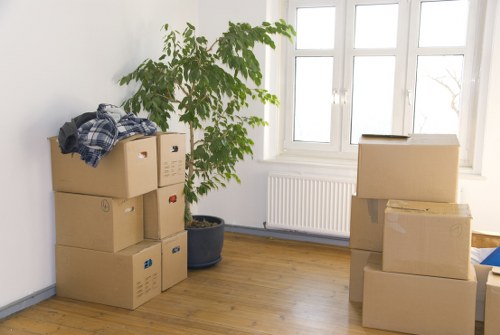 A key part of our sustainability effort is partnership with charities and community organisations. When customers leave items that are still in usable condition, we prioritise reuse before recycling. Good-quality furniture, household items, office chairs, shelving, and seasonal goods may be directed towards donation routes rather than disposal. These partnerships help extend the life of products, support local causes, and reduce the amount of material entering the waste system in the first place.
Reuse is an essential part of the wider storage and recycling philosophy. In practice, this means looking at every item with a hierarchy in mind: can it be reused, repaired, repurposed, recycled, or only then disposed of? This method is especially important in boroughs where waste separation rules are becoming more detailed and where clean material streams are increasingly valued. It encourages better habits among businesses and households alike, and it helps us support a more circular local economy.
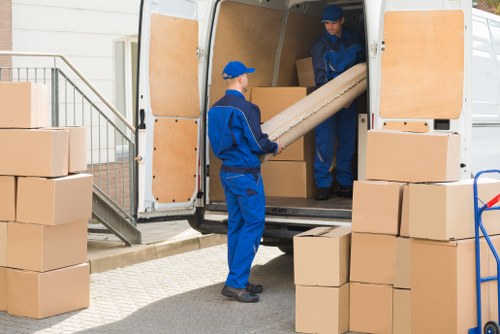
Transport is another major focus. We are steadily introducing low-carbon vans into our fleet to reduce emissions from collections and deliveries. Where possible, we choose vehicles with improved fuel efficiency, lower tailpipe emissions, or electric capability for shorter local journeys. This matters in dense residential and commercial neighbourhoods, where reducing exhaust output can improve air quality and make day-to-day operations more sustainable.
These low-carbon vehicles are paired with smarter route planning so that collection schedules are efficient and unnecessary mileage is avoided. Fewer empty journeys mean less fuel use, lower carbon output, and a cleaner overall service. For customers using Snaresbrook Storage, this means sustainability is not just a statement; it is reflected in the practical choices made behind the scenes. 
We also pay attention to the kinds of recycling activity most relevant to the local area. Cardboard from box deliveries is flattened and consolidated; plastic wrapping is kept separate where recycling routes exist; metal fixtures and unwanted filing cabinets are recovered through licensed channels; and timber from shelving or packing materials is assessed for reuse or recycling. These are small but important steps in a borough-led culture that increasingly values waste reduction and cleaner separation at source.
For items that cannot be recycled immediately, we look for specialist treatment options that keep environmental impact as low as possible. This can include energy recovery for non-recyclable residues or compliant disposal for restricted materials. The aim is to ensure every waste stream is handled properly, with no shortcuts and no unnecessary environmental cost. That level of care supports the broader sustainability expectations of local communities and local authorities alike.
 Looking ahead, our goal is to continue improving recycling at Snaresbrook Storage through better sorting, stronger charity partnerships, and an expanding low-carbon fleet. We want to make sure that responsible waste management remains part of the service from the moment an item enters storage to the moment it leaves. By combining reuse, recycling, local transfer station partnerships, and lower-emission transport, we are building a storage operation that is practical today and more sustainable for the future.